
Zanzibar Real Estate Investment 2026: The Data, The Boom, and The Hidden Risks

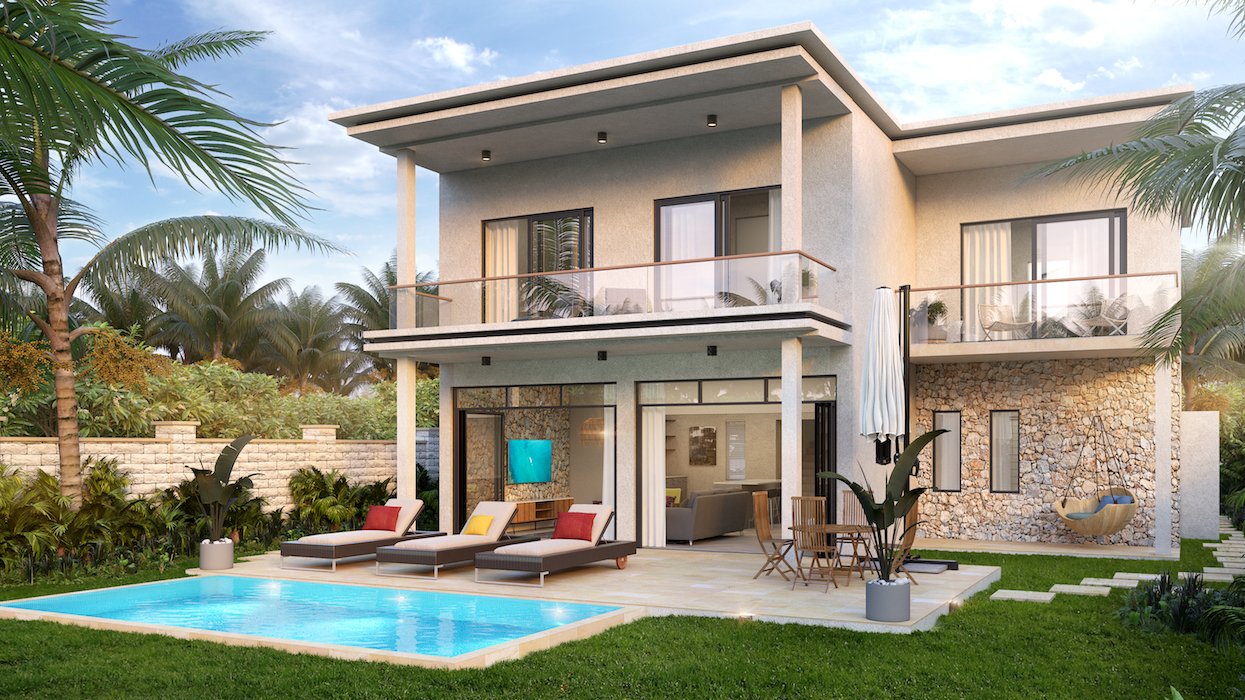
Zanzibar has quietly changed categories. For decades, it was understood purely as a tourism destination—a place people visited. Today, if you look at the raw data, it is a serious investment destination—a place where people are deploying heavy capital.
The scale of that shift is easy to underestimate from the outside, and incredibly easy to overstate if you only read the promotional brochures of real estate developers. This guide lays out what the figures actually show, the economic engine driving them, and—the part the marketing teams tend to skip—where the actual financial risk sits.
The Figures Behind the Boom
The headline numbers are massive and, for the most part, officially documented:
USD 14.3 Billion: Total registered investment across more than 1,300 active projects via the Zanzibar Investment Promotion Authority (ZIPA).
917,000 Arrivals: International tourist arrivals in 2025, representing a massive 24% year-on-year growth.
USD 1.1 Billion: Total tourism receipts generated by the islands in 2025.
70% Concentration: Roughly 70% of Tanzania’s entire short-term rental (Airbnb) stock sits exclusively on the islands.
For national context, total Foreign Direct Investment (FDI) into the Tanzanian mainland surged to USD 6.56 billion in 2024 (up from USD 1.6 billion in 2023). Zanzibar is a highly concentrated, hyper-growth segment of a national investment story that is rapidly accelerating.
What is Driving the Capital?
Tourism arrival growth is the engine, and the sequence of cause and effect is worth spelling out because it tells you exactly what this real estate investment is built upon.
Rising visitor numbers create immediate demand for hotel rooms, which pulls in heavy hospitality investment. That hospitality infrastructure makes remote coastal areas visible and serviced (roads, power, water), which then pulls in residential and short-let developers as frequent visitors decide to buy rather than just stay. Residential density then attracts secondary services—retail, restaurants, and private transport.

Each layer of capital rests entirely on the layer below it. And the entire economic stack rests on one assumption: tourism arrivals will continue to grow.
Two structural features amplify this boom:
ZIPA's Autonomy: Zanzibar has its own investment authority (ZIPA), which aggressively markets the islands and processes Free Economic Zone (FEZ) investments directly.
Independent Land Laws: Zanzibar administers its own land regime, entirely separate from that of the Tanzanian mainland.
Together, these mean Zanzibar competes for global capital in its own right as an independent jurisdiction, rather than just as a region of Tanzania.
Where the Risk Actually Sits
Everything mentioned above is exactly what the investment prospectus will emphasize. Here is the part they tend to leave out—and it belongs in the exact same conversation.
1. Sector Concentration
To a first approximation, Zanzibar is a one-industry economy. The investment case, the property values, the rental yields, and the short-let demand all rest entirely on tourism. Tourism responds violently to global shocks—a pandemic, a European recession, a fuel price spike, or a security scare in the source markets. A market this exposed to a single sector has no safety net when that sector contracts. Diversified economies absorb shocks; concentrated economies transmit them.
2. Oversupply in the Short-Let Market
When 70% of the national short-let property stock sits on these islands, the competitive pressure is immense. The 80% occupancy and high nightly rate assumptions that made a villa purchase look incredibly lucrative three years ago do not necessarily hold today. A massive wave of new supply has arrived to chase the exact same pool of guests. (If you are planning to run an Airbnb, read our guide on how to calculate rental yields honestly).
3. Extreme Seasonality
Annual averages completely hide the shape of the financial year. Zanzibar has a fiercely strong high season and a genuinely dead low season (particularly during the long rains from March to May). A real estate business modelled on a "blended annual average" will be disastrously over-optimistic during the months that actually matter for cash flow. You must model your revenue month-by-month.
How Zanzibar Differs From the Mainland
Investors who have successfully operated in Dar es Salaam or Arusha often assume the islands work the same way. That assumption is incredibly expensive.
| Feature | Tanzanian Mainland | Zanzibar Archipelago |
|---|---|---|
| Legal Framework | Governed by the Land Act (Cap 113) & Village Land Act. | Independent regime with strict rules on foreign participation. |
| Economic Base | Broadly diversified (agriculture, mining, commercial, and logistics). | Narrow and deep; overwhelmingly dependent on tourism. |
| Investment Body | Tanzania Investment Centre (TIC). | Zanzibar Investment Promotion Authority (ZIPA). |
The most consequential difference is legal. A property right, a title document, or a due diligence process that is standard in Dar es Salaam may simply not exist—or may function entirely differently—on the islands. This is why the golden rule of buying property here is to use legal advisers who work specifically within the Zanzibar system. Carrying your mainland lawyer across the channel is a recipe for a botched transaction.
The Special Economic Zones (SEZ) Dimension
The wider Tanzanian investment story adds crucial context. The mainland launched four massive new Special Economic Zones (SEZs) in late 2025 across Bagamoyo, Kibaha, Dodoma, and Kahama. SEZs are designed to concentrate infrastructure and offer favorable tax terms to retain industrial capital.
For a property investor, the relevance is indirect but highly profitable: SEZs bring permanent jobs, jobs bring workers, and workers need housing. Watching where this infrastructure lands is the most reliable way to anticipate where residential and commercial real estate demand will firm up next—long before the property prices follow.
Frequently Asked Questions
Is Zanzibar a good place to invest in property?
Yes, but only if executed correctly. The tourism and investment growth is well documented and the trajectory is strong. However, the market is highly concentrated, increasingly oversupplied with short-let stock, and governed by a distinct land regime. It is a highly profitable investment for someone who models their cash flow honestly and retains local legal advice—and a disastrous one for someone who buys purely on the headline numbers.
Can foreigners buy property in Zanzibar?
Yes, but Zanzibar administers its own strict land regime regarding foreign participation. The processes, leasehold terms, and restrictions differ wildly from those on the mainland. You must take advice from registered advocates who practice specifically in Zanzibar before committing funds.
What is the biggest risk in the Zanzibar property market?
Concentration risk. The entire real estate investment thesis rests on global tourism, which is highly exposed to macroeconomic shocks. When you combine that with rising short-let supply and a pronounced rainy season, the financial risks are just as real as the documented growth.
The Short Version:
Zanzibar has become a premier global investment destination, backed by USD 14.3 billion in registered capital and record-breaking tourism. But the entire edifice rests on a single sector, the short-let market is crowding, the legal regime is entirely distinct from the mainland, and the tourist season is violently uneven. Invest based on honest, month-by-month occupancy models and strict local legal advice—never on the developer's headline promises.
Sources: Zanzibar Investment Promotion Authority (ZIPA); Zanzibar Commission for Tourism; TISEZA (Q4 2025); Bank of Tanzania. Figures are indicative and subject to market changes.

Need help? Talk to our expert.
Whether you have questions about our platform or need advice on property management, we're just a click away. Reach out to us and let us help you navigate your real estate journey.

Phone
+255762110000
Email Address
hello@blox.co.tz
© Blox - All Rights Reserved. Powered By Bridging Technologies