
TAREX 2026: The Ultimate Buyer's Guide to Tanzania’s First National Property Show

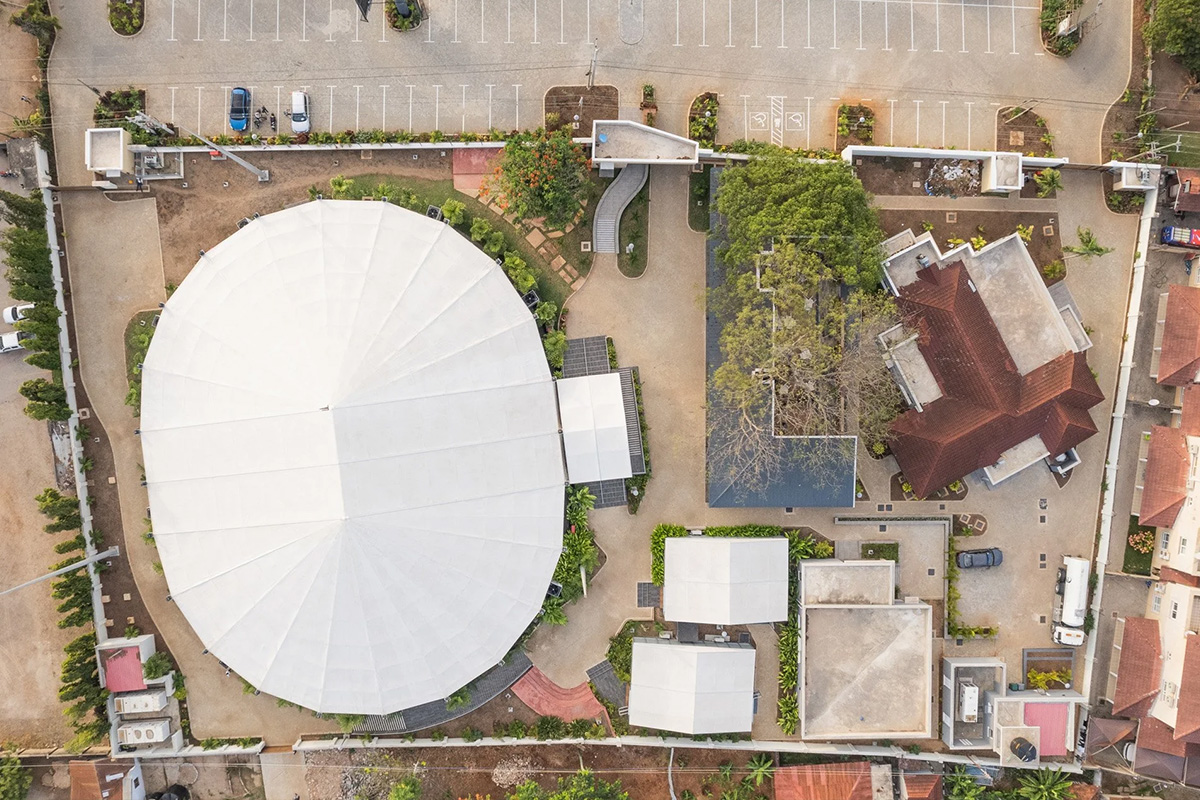
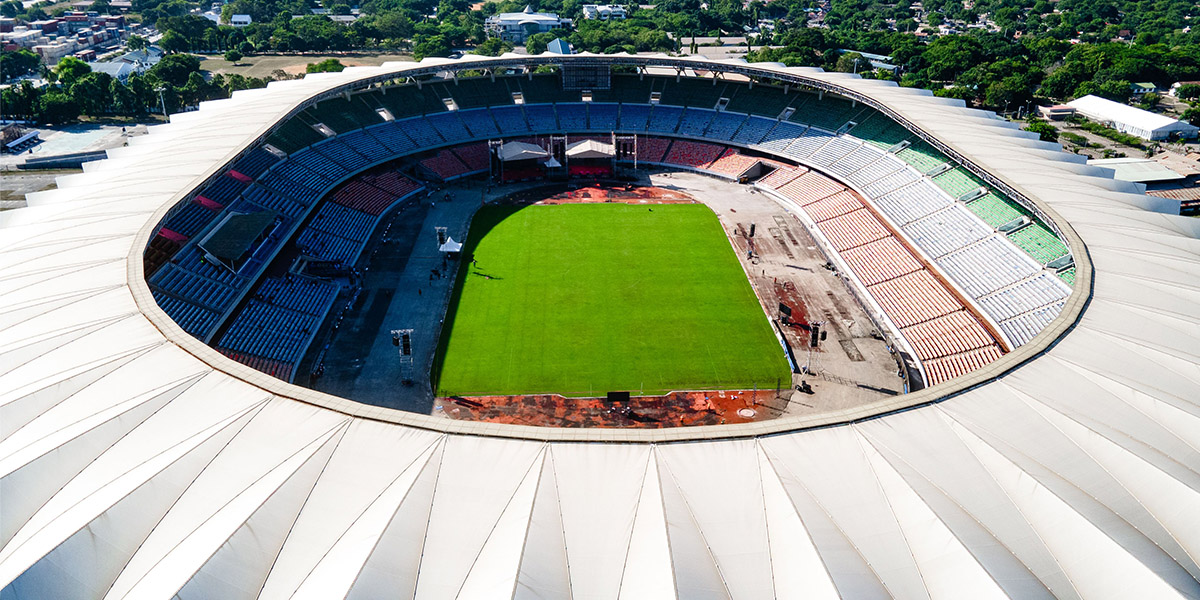
The Tanzania Real Estate Show—TAREX 2026—runs from 20 to 22 November 2026 at The Super Dome on Haile Selassie Road in Masaki, Dar es Salaam.
This event matters because it is the first national platform to put property developers, retail lenders, government regulators, and active buyers under one roof at the exact same time. In a market where the biggest obstacle is rarely finding a property, but rather financing it and verifying the title, that combination of people is genuinely powerful.
This is your guide to what is happening, who is expected, and—most importantly—how to walk away with actionable financial decisions rather than just a tote bag full of glossy brochures.
Who is expected on the floor?
Organizers anticipate 4,000 to 5,000 visitors across the three days, ranging from real estate professionals to diaspora investors and active local buyers.
However, the institutional participation is the element actually worth noting. Exhibitors include the Ministry of Lands, the incoming Real Estate Regulatory Authority (RERA), the National Housing Corporation (NHC), the Tanzania Mortgage Refinance Company (TMRC), ZIPA, and the NSSF.
The massive presence of the TMRC and the primary mortgage lenders is the single most important aspect of this show. Financing is the absolute bottleneck of the Tanzanian property market—most transactions are executed in cash precisely because borrowing is so opaque. An event that physically gathers the lenders in one hall is a rare opportunity to compare live mortgage offers side-by-side in a single afternoon, rather than scheduling branch appointments over several weeks.
If you do nothing else at TAREX 2026, do that.
The Sessions Worth Planning Around
The TAREX programme splits highly practically across the two main weekend days.
Saturday, 21 November: Buying, Owning, and Investing
This is the day for anyone who wants to buy a home, let a property, or understand the hard math before committing capital. Expect deep-dive sessions on:
The current state of the mortgage market.
Land law, title verification, and legal compliance.
Property and land taxation.
Return on Investment (ROI) benchmarks for Dar es Salaam.
A dedicated diaspora buyer's guide.
A panel on the economics of short-term rentals (Airbnb).
Sunday, 22 November: Building and Managing
This is the day for developers, professional landlords, and anyone running real estate as a business operation rather than buying a single-family home. Sessions include:
Construction supply chains and essentials.
Land surveying and physical due diligence.
A technical breakdown of commercial mortgage products.
Property management and tenant relations.
PropTech innovations in East Africa.
A closing macroeconomic outlook panel looking ahead to 2030.
Who Should Go, and Why?
First-Time Buyers: The Saturday sessions on the mortgage market and land law will compress into a couple of hours what usually takes months to learn (and learn expensively). Understanding what a bank assesses and what a clean title actually looks like before you start viewing properties is worth more than any single listing.
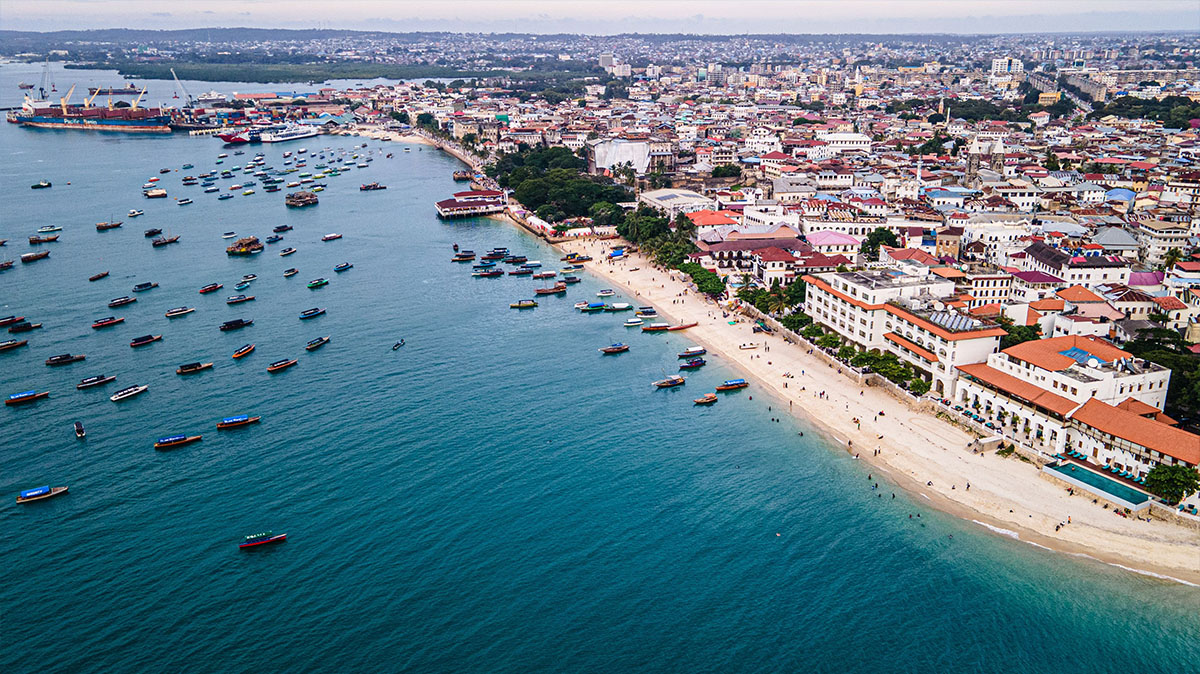
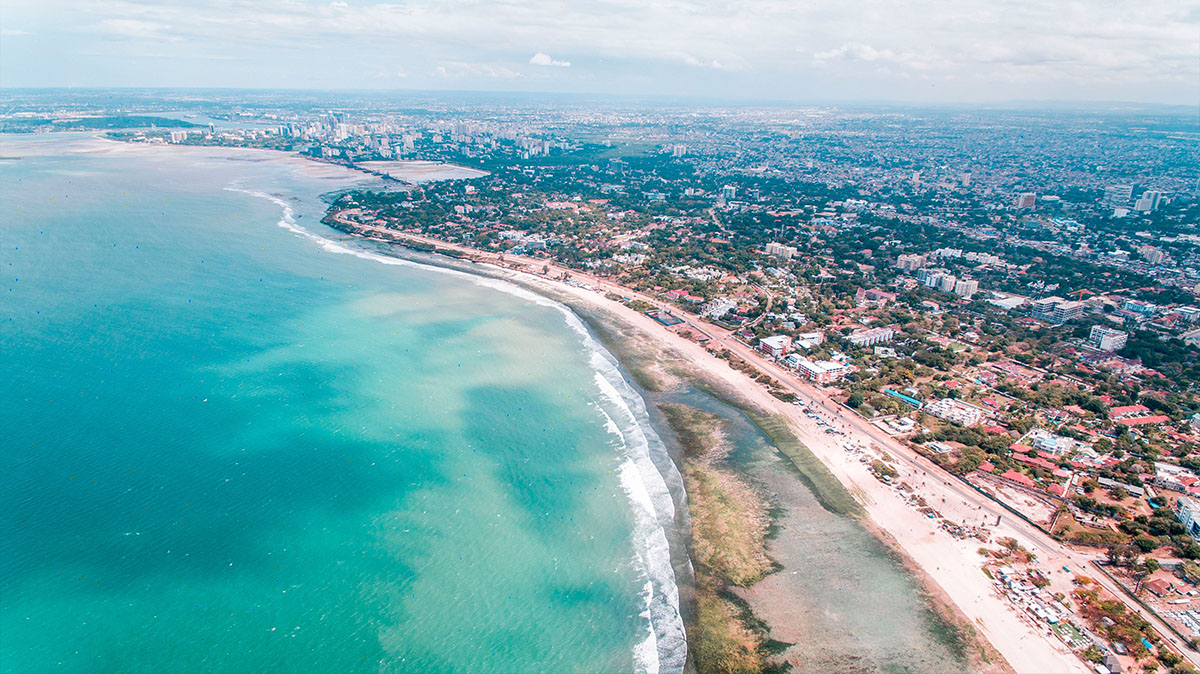
Image Credit: Zanzibar City, Tanzania - Alex Lewis Diaspora Investors: There is a dedicated track for you. For a buyer who is normally managing a high-risk purchase from abroad, the chance to meet a lender and a registered advocate face-to-face in one trip is worth the airfare on its own. Bring the highly specific questions you have never been able to get answered over a bad WhatsApp call.
Landlords and Short-Let Owners: The short-term rentals panel and the property management sessions address licensing and day-to-day operations directly. These are the practical questions about tourism levies, legal compliance, and calendar management that determine whether an Airbnb actually turns a profit.
Developers and Agencies: Every counterparty you need to build your business—lenders, the Ministry of Lands, surveyors, and active buyers—is trapped in one building for three days. As a pure business-development exercise, that density is impossible to match.
How to Get Value: Come With Your Numbers
The value of a trade show is not the brochures (you can download those online). The value is extracting the specific answer you cannot get over the phone, from the exact person empowered to give it to you. That only happens if you arrive prepared.
Bring your hard figures: what you earn net, what you have saved for a deposit, and the specific plots or areas you are aggressively looking at.
Ask the Lenders: Do not ask, "Do you do mortgages?" Ask, "On a TZS 5,000,000 net income and a 15% deposit, what is the maximum principal you would actually approve today, and over what term?"
Ask the Ministry of Lands: Ask about the specific title classification on the exact plot you are considering buying.
Ask the Short-Let Panel: Ask about the exact municipal licensing that applies to your specific ward.
Vague questions get you a brochure; highly specific questions, backed by your own math, get you answers you can act on. Treat the three days as a series of high-level appointments you have prepared for, not a weekend fair you are casually wandering around.
Why "Lenders in One Room" is the Real Draw
It is worth dwelling on why the financing angle matters so much, because it is not obvious until you have personally tried to arrange a Tanzanian mortgage the ordinary way.
In a market where most purchases are cash, borrowing is not a standard product you just pick off a shelf. It is a gruelling negotiation; you have to initiate it, lender by lender, branch by branch. Each bank has its own paperwork, its own risk appetite, and its own internal formula for what your income supports. Doing that across five banks takes weeks, and by the end, you are trying to compare offers you received on different days under slightly different assumptions.
TAREX collapses that agonizing month into a single afternoon. You can present the exact same scenario—your income, your deposit, the specific property—to a dozen lenders in the same room and hear a dozen answers back-to-back. The differences in their interest rates, their tenures, and how aggressively they treat your income become glaringly obvious.
Practical Notes for the Weekend
A few minor details make the difference between a highly productive visit and an exhausting one:
Carry a Dossier: Bring physical copies of your NIDA ID, recent bank statements, and title details of properties you are eyeing. A promising conversation with a lender can move instantly past generalities if you have the paperwork in your bag.
Dress for Endurance: Wear shoes you can comfortably walk and stand in for three days; a national exhibition at the Super Dome involves a massive amount of standing on concrete floors.
Plan Your Calendar: Map your sessions in advance against the two-day programme. The best panels run in parallel, and you will miss the one you desperately needed if you haven't decided beforehand.
Protect the Corridors: Leave open time between the official sessions to actually talk to the people at the stands. The most lucrative answers happen in the corridor conversations, not on the stage.
Frequently Asked Questions
When and where is TAREX 2026?
TAREX 2026 runs from Friday, 20 November to Sunday, 22 November 2026. It is hosted at The Super Dome, located at 206/207 Haile Selassie Road in Masaki, Dar es Salaam.
Is TAREX 2026 worth attending for a first-time buyer?
Absolutely. The Saturday sessions on the mortgage market and land law will teach you the fundamentals of real estate finance in a few hours. More importantly, it is the only time you can physically compare mortgage offers from multiple competing lenders in the same room.
Who is exhibiting at TAREX 2026?
Alongside private property developers and commercial banks, expected institutional participants include the Ministry of Lands, RERA, the National Housing Corporation (NHC), TMRC, ZIPA, and the NSSF.
Disclaimer: Event details are sourced from the TAREX 2026 exhibitor prospectus by Imperial Marketing & Communications. Always confirm final dates, times, and programs directly with the organizers before making travel arrangements.

Need help? Talk to our expert.
Whether you have questions about our platform or need advice on property management, we're just a click away. Reach out to us and let us help you navigate your real estate journey.

Phone
+255762110000
Email Address
hello@blox.co.tz
© Blox - All Rights Reserved. Powered By Bridging Technologies