
6 Game-Changing Trends Shaping Tanzania’s Real Estate Market


Tanzania’s economy isn't just growing—it’s undergoing a profound evolution. If you have driven through Dar es Salaam’s central business district or visited the rapidly expanding capital of Dodoma recently, you have probably noticed the skyline punctuated by cranes and the constant hum of new construction. But beyond the visual transformation, what does this actually mean for you as a prospective buyer, a renter looking for a home, or an investor seeking ROI?
The Tanzanian real estate market is in a period of dynamic transformation. From the rise of "smart" house hunting powered by digital platforms to a significant surge in affordable housing projects, the property landscape is adapting to meet the needs of modern Tanzanians. Whether you are searching for your first apartment, expanding your commercial footprint, or looking for high-yield investment opportunities, understanding these shifts is critical. In this detailed guide, we explore the key drivers behind Tanzania's property boom, including urbanization, infrastructure development, and the increasing role of technology in real estate transactions.
Here is a comprehensive look at the top 6 trends defining Tanzania's property market right now.
1. Urbanization Meets Infrastructure: The Connectivity Boom
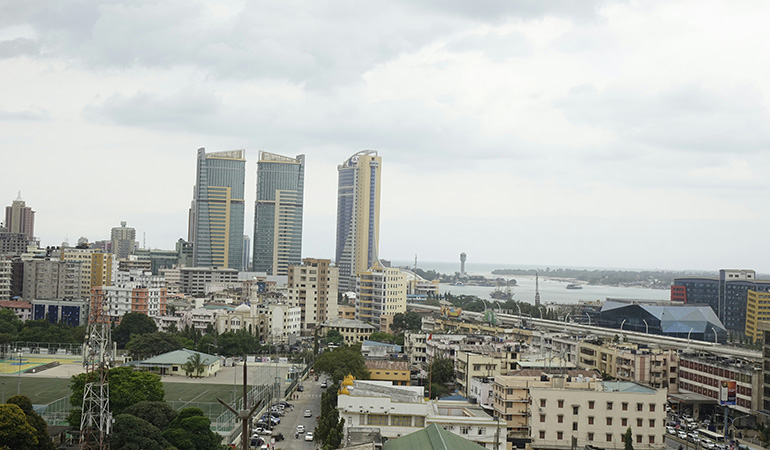
Rapid urbanization is reshaping major cities like Dar es Salaam, Dodoma, Arusha, and Mwanza, but the real story isn't just about population growth—it is about accessibility. The Tanzanian government’s aggressive investment in strategic infrastructure is the single biggest driver of property value today. Mega-projects such as the Standard Gauge Railway (SGR), the iconic Tanzanite Bridge, and extensive flyover networks are doing more than just easing traffic; they are unlocking vast areas of land that were previously considered "too remote" for daily commuting.

Why this matters for your wallet: As travel times decrease, the definition of "prime location" expands. Areas like Kigamboni, Kisarawe, and the outskirts of Bagamoyo Road are transforming from distant outposts into viable residential suburbs. For investors, this presents a golden window of opportunity.
Investor Tip: Focus your capital on emerging suburbs located near these new infrastructure nodes. History shows that as accessibility improves, land and property values in these connected zones often skyrocket, offering significantly higher capital appreciation compared to already saturated city centres.
2. The Rise of Affordable Housing: A Market for Everyone
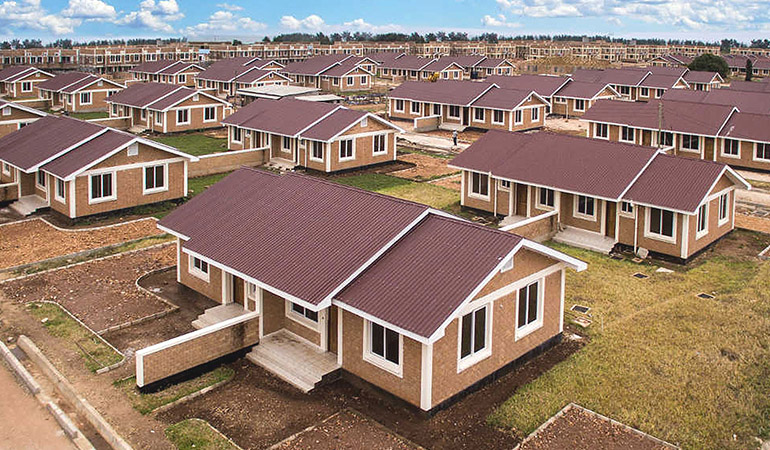
For a long time, the formal real estate market felt out of reach for many Tanzanians, catering primarily to the elite and expatriates. The good news? That narrative is changing. Developers are finally waking up to the massive potential of Tanzania’s growing middle class. We are seeing a wave of cost-effective residential projects that offer quality living without the luxury price tag. Institutions like the National Housing Corporation (NHC) and private developers are launching projects specifically targeted at first-time buyers and young professionals.
Why this is a game-changer: This shift opens the door for many to transition from renting to owning their own piece of the city. It means "affordable" no longer has to mean "low quality" or "far away."
Buyer Insight: Look for off-plan developments from reputable builders. These often come with flexible payment plans and lower entry prices compared to completed units, making homeownership a realistic goal for young families and professionals.
3. Tech is Making House Hunting Painless: The Digital Revolution
Gone are the days of spending your weekends driving aimlessly through traffic in Sinza or Mikocheni, chasing faded "To Let" signs painted on walls under the hot sun. For decades, finding a home in Tanzania meant dealing with informal middlemen ("dalalis"), paying non-refundable viewing fees, and visiting dozens of properties that looked nothing like their descriptions.
The digital age has finally arrived in Tanzanian real estate, and it is fundamentally changing the user experience.
PropTech (property technology) platforms like Blox are leading this revolution by prioritizing two things the market desperately needed: trust and convenience. By digitizing the search process, these platforms are democratizing access to real estate information, empowering you to make decisions based on data rather than pressure.

Here is how technology is solving the market's biggest headaches:
Verified Listings (The End of "Ghost" Properties): One of the biggest risks for renters and buyers has always been fraud—fake agents, duplicate listings, or "ghost properties" that don't actually exist. Modern digital platforms are combating this with strict verification protocols. When you see a "Verified" badge on a listing today, it means the platform has vetted the property and the agent, ensuring that what you see online is exactly what you get in reality. This layer of safety is attracting a new wave of cautious investors and diaspora buyers.
Virtual Tours & Remote Viewing: Time is money, and technology is saving both. Imagine walking through a luxury apartment in Masaki while you are sitting in a cafe in Arusha, Mwanza, or even London. 360-degree virtual tours and high-definition video walkthroughs allow prospective tenants to inspect the layout, lighting, and finishing of a property remotely. This is a game-changer for expatriates and busy professionals who can now shortlist their top choices without fighting Dar es Salaam traffic.
✨The takeaway: Technology isn't just a flashy add-on; it is making the Tanzanian market transparent, safe, and efficient. By using these digital tools, you are not just finding a house faster; you are protecting yourself from the inefficiencies of the old market.
4. Commercial Real Estate is Booming: The Rise of Modern Workspaces
As Tanzania successfully diversifies its economy beyond agriculture and tourism, the demand for sophisticated, world-class business infrastructure is surging. We are witnessing a departure from the old model of converting residential villas into makeshift offices. Today, Dar es Salaam, Arusha, and Dodoma are seeing a construction boom in purpose-built commercial hubs designed to meet international standards.
This isn't just about building taller office blocks; it is about creating integrated business ecosystems.
The Shift to Mixed-Use Developments: The most significant trend in this sector is the rise of "Live-Work-Play" environments. Developers are building massive complexes that combine Grade A office spaces, high-end retail malls, and luxury residential apartments all in one location. This model reduces commute times and offers convenience that modern businesses crave.
Co-Working & Flexible Spaces: With the rise of the gig economy and a vibrant startup culture in Tanzania, demand for co-working spaces has exploded. Freelancers, SMEs, and international companies entering the market are opting for flexible, fully serviced offices rather than committing to long-term traditional leases.

Retail Revolution: The retail landscape is evolving from street-side shops to organized shopping malls. International brands are entering the Tanzanian market, driving the need for modern, secure, and well-managed retail spaces.
Business Insight: For local and international companies, your office address is now a branding tool. Moving into a modern commercial complex offers better security, reliable backup power, and high-speed fiber connectivity—essentials for staying competitive in Tanzania’s digital economy.
5. Stronger Government Support: Building a Safer Investment Climate
For years, the complexity of land laws and bureaucratic red tape were significant barriers to entry in the Tanzanian market. However, the current administration is actively working to dismantle these hurdles to foster a more transparent and investor-friendly environment. Investing in property requires trust, and the government is building it through concrete structural reforms.
Streamlined Property Registration: Initiatives to digitize land records and the issuance of electronic title deeds are reducing the time and cost associated with property transfers. This modernization minimizes the risk of land disputes and fraud, making Tanzania a safer place for both local and international investors to secure assets.
Incentives for Development: To address the housing deficit, the government is offering incentives to developers focused on affordable housing projects. By creating a favorable tax and regulatory environment, they are encouraging the private sector to build homes that the average Tanzanian citizen can actually afford, rather than just focusing on luxury units.
Mortgage Market Growth: While still developing, the government is pushing for a more robust mortgage market, working with banks to lower interest rates and extend repayment periods, slowly making home ownership a reality for the salaried workforce.
Investor Insight: A supportive government means your investment is legally secure. The strengthening of the Tanzania Investment Centre (TIC) facilitates smoother entry for foreign investors, offering a "one-stop center" for permits and registration.
6. Foreign Investment is Pouring In: The Global Confidence Vote
Tanzania’s enduring political stability and its strategic position as a logistical gateway to East Africa have firmly placed it on the global investment radar. We are witnessing a substantial influx of Foreign Direct Investment (FDI) targeting the real estate sector, particularly in Dar es Salaam, Zanzibar, and Arusha.
This isn't just about money entering the country; it is about the transfer of quality and innovation.
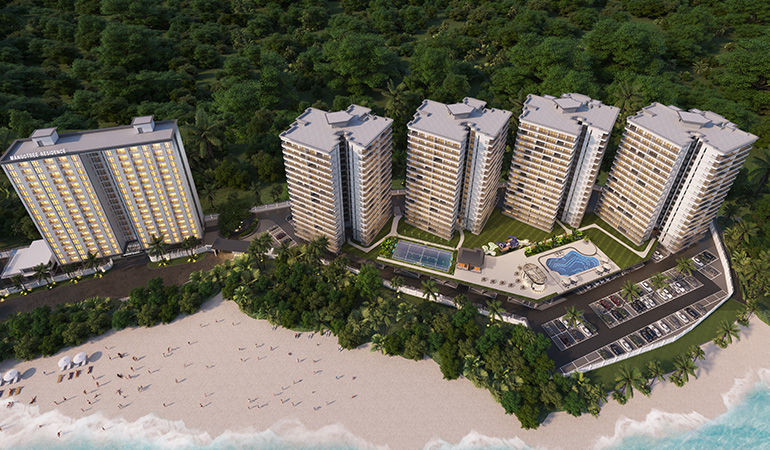
Raising the Bar: International developers are partnering with local firms to build high-end residential complexes, 5-star hospitality projects, and modern shopping malls. This influx of foreign capital is driving up construction standards. To compete, local developers are now prioritizing superior finishing, modern amenities (gyms, pools, elevators), and professional property management.
The Diaspora Effect: There is a growing trend of Tanzanians living abroad (the Diaspora) investing heavily back home. They demand the same quality of housing they are used to overseas, further pushing the market toward international standards of design and functionality.
The Ripple Effect: Even if you aren't buying a luxury penthouse, this trend benefits you. The competition introduced by foreign investment forces the entire market to innovate, meaning better quality homes and more professional services are becoming the standard across all price points.
The Bottom Line: A Market Primed for Action
When we look at the convergence of these six trends—from the transformative power of the SGR and new infrastructure to the democratization of data through PropTech—one thing becomes clear: Tanzania’s real estate market is no longer just "emerging"; it is maturing at a rapid pace.
We are witnessing a historical shift where the barriers to entry are lowering, transparency is increasing, and the quality of developments is rising to meet international standards. For the renter, this means better quality homes and fairer prices. For the homebuyer, it means access to affordable financing and secure titles. And for the investor, it represents a window of opportunity to capitalize on capital appreciation in one of East Africa’s fastest-growing economies.
The verdict? There has never been a better, safer, or more exciting time to participate in the Tanzanian property sector.
😁Ready to Find Your Place?😁
The market is moving fast—don't let it outpace you. Whether you are looking for a cozy apartment in the city center, a family home in the suburbs, or a strategic commercial investment, you need a partner you can trust.
At Blox, we are redefining how Tanzanians interact with real estate. We take the stress, uncertainty, and "guesswork" out of property hunting.
Trust what you see: Browse 100% verified listings.
Save time: Compare prices and features instantly.
Explore from anywhere: Take immersive virtual tours before you even step out the door.
Stop searching and start finding. Discover your perfect space faster and with confidence today.
👉 Visit www.blox.co.tz to start your journey.

Need help? Talk to our expert.
Whether you have questions about our platform or need advice on property management, we're just a click away. Reach out to us and let us help you navigate your real estate journey.

Phone
+255762110000
Email Address
hello@blox.co.tz
© Blox - All Rights Reserved. Powered By Bridging Technologies